Today was a day that left a deep imprint on my heart. I had the privilege of joining an effort to distribute food to the people living in Vancouver’s Downtown Eastside (DTES), and the experience was both humbling and eye-opening. While my direct experience was in this specific neighbourhood, the lessons learned and the realities witnessed resonate far beyond the boundaries of the DTES and apply to vulnerable communities everywhere.
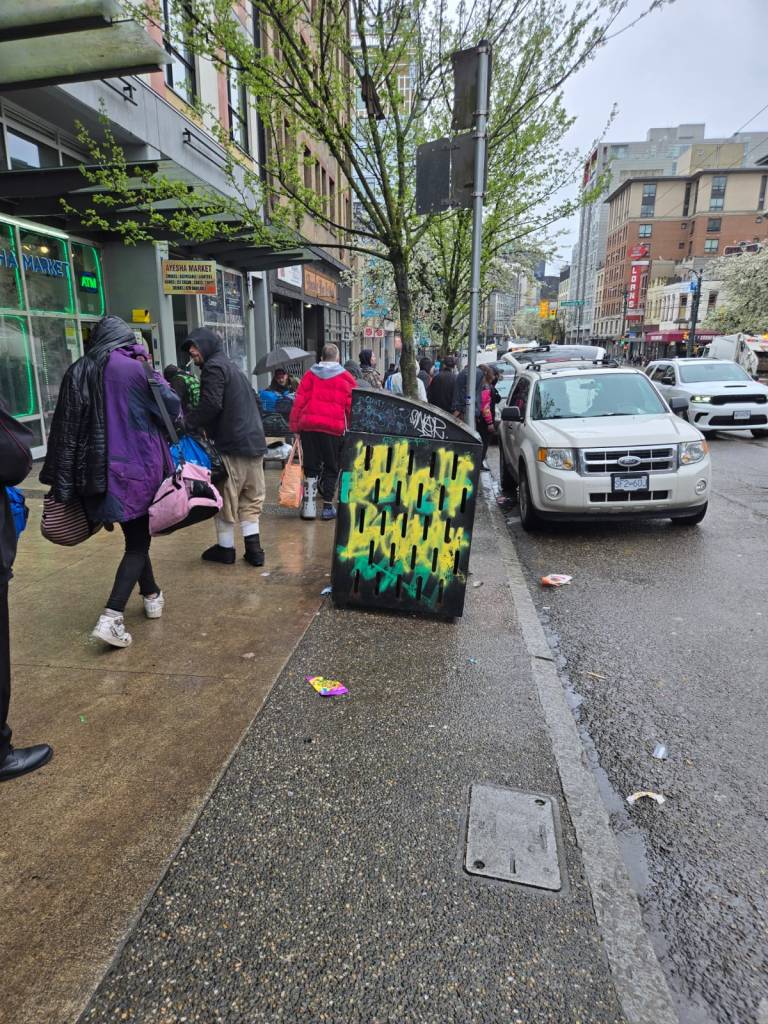
Our mission was simple: to offer a small measure of comfort and sustenance. We started by delivering 150 sandwiches to a local shelter, a place of refuge for many seeking a safe place to rest. From there, we headed to the heart of Hastings Street and Main, where a long line had already formed. The need was palpable.
Beyond the sandwiches – and we brought a good number, around 200 – we also had pastries and yogurt to share. The smiles that greeted the yogurt were particularly heartwarming; it’s often the small, unexpected treats that bring a moment of genuine joy. We were also able to offer a few pairs of shoes and socks, items that many on the street desperately need for warmth and protection.
Being present on Hastings Street offered a stark and unfiltered view of the challenges faced by this community. The conditions many are living in are undeniably difficult. I witnessed firsthand the struggles with sobriety, the visible effects of addiction, and the profound impact of poverty. It’s a reality that can be hard to comprehend until you are there, witnessing it with your own eyes. And this, I realize, is a scene that sadly plays out in various forms in communities across our cities and beyond.
Adding another layer of inspiration to the day was witnessing the quiet dedication of a long-term volunteer. With each sandwich she handed out, she offered a genuine, warm smile and a kind greeting. What truly struck me was her gentleness and kindness in these small interactions were incredibly powerful and served as a profound reminder that even the simplest acts of care can have a significant impact.
Adding to the complexities of the day was observing city staff and police officers removing tents lining the sidewalks. It was a stark reminder of the ongoing complexities and often contentious approaches to managing the visible signs of homelessness. What struck me most, however, was the resilience of the people. Even after their temporary shelters were dismantled, they returned. Their fundamental needs – for food, for connection, for a sense of community – remained. This highlights a universal truth: displacement doesn’t solve fundamental human needs, regardless of the location.
This experience reinforced a crucial understanding: removing tents does not erase the underlying issues. It doesn’t diminish the poverty, heal the mental health struggles, or break the chains of addiction. These are deep-seated problems that require compassionate, long-term solutions, not simply the displacement of their visible manifestations. This is a lesson that every community grappling with homelessness and vulnerability must understand.
Today was a reminder that beyond the statistics and the news headlines, there are individuals – each with their own story, their own struggles, and their own inherent dignity. They need more than just a sandwich; they need understanding, support, and a pathway towards a better future. This holds true whether we are talking about the DTES in Vancouver or any other community facing similar challenges.
While our small act of providing food and a few necessities may seem like a drop in the ocean, the human connection forged in those moments felt significant. A simple smile, a word of gratitude, a shared moment of humanity – these are the things that remind us of our shared vulnerability and our collective responsibility to care for one another. This fundamental human need for connection transcends geographical boundaries.
Leaving the DTES today, I felt a renewed sense of purpose and a deeper understanding of the complexities at play. The experience, particularly witnessing the quiet compassion of that dedicated volunteer, served as a powerful reminder that true change requires empathy, sustained effort, and a commitment to addressing the root causes of the challenges faced by our most vulnerable neighbours. This isn’t just a DTES issue; it’s a societal issue that demands attention and action in every community. The people on Hastings Street, and in similar situations elsewhere, deserve more than just temporary fixes; they deserve our ongoing compassion and a genuine commitment to finding lasting solutions.


 Fr. Bill's Journal 莫牧師的點滴
Leave a comment